
Few psychedelics stir up as much hope, or as much worry, as ibogaine. People who have struggled with opioids for decades describe walking out of a single treatment without withdrawal. Combat veterans describe the fog of brain injury lifting. And yet ibogaine is also one of the few psychedelics that can stop a heart.
Both things are true. If you're curious about ibogaine, for yourself or someone you love, you deserve the full picture. Here's where things stand in late 2026, and why I'm cautiously optimistic about what's coming.
What ibogaine is
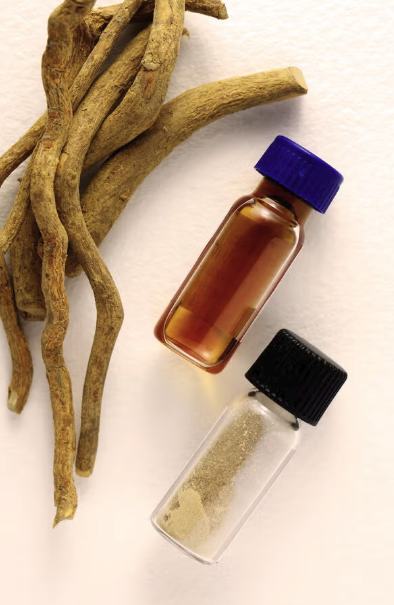
Ibogaine is a naturally occurring compound from the root bark of iboga, a shrub native to Central Africa, where it has been used in Bwiti spiritual practice for generations. In the U.S. it has been a Schedule I drug since 1970, which is why people seeking it have traveled to clinics in Mexico, Canada and elsewhere.
The experience is long and demanding, often a day or more, and it is physically taxing. This is not a weekend wellness experience. It's closer to a medical procedure with a profound inner dimension.
Why people are excited
Ibogaine stands apart from other psychedelics for one reason above all: its apparent ability to interrupt opioid dependence quickly, sharply reducing withdrawal and cravings. Researchers have documented this in open-label studies and many case reports, though rigorous controlled trials are still pending (Nature Communications, 2024).
The study that changed the conversation came from Stanford in 2024. Thirty special operations veterans with traumatic brain injuries received ibogaine plus magnesium at a monitored clinic in Mexico. One month later, the researchers reported average drops of 88% in PTSD symptoms, 87% in depression and 81% in anxiety, with disability scores falling from mild-to-moderate to none (Stanford Medicine).
Those numbers are remarkable. They also come with real limits: a small group, no placebo comparison, a one-month endpoint, and highly motivated participants. Promising, not proven.

The risk we can't skip: your heart
Ibogaine affects the heart's electrical system. It blocks a potassium channel (called hERG) that helps the heart reset between beats, which shows up on an ECG as a longer QT interval. When the QT stretches too far, the heart can slip into a dangerous rhythm called torsades de pointes, which can be fatal (Koenig and Hilber, Molecules).
Deaths have been reported in the medical literature, and most trace back to the heart. Risk climbs sharply with:
Existing heart conditions, sometimes undiagnosed
Low potassium or magnesium
Other drugs still in the system, especially methadone, other opioids, stimulants and many common QT-prolonging medications
Settings without cardiac screening, continuous monitoring and emergency care
Even in a careful clinical study of people detoxing from opioids, a low dose produced meaningful QT prolongation that lasted beyond 24 hours in several participants. The researchers' conclusion was clear: ibogaine needs strict cardiac monitoring in controlled settings.
There are other risks too, including severe loss of coordination, nausea, and the psychological weight of a long and sometimes frightening experience. But the heart is the headline, and it should be.

The good news: science is working on the heart problem
This is where I get genuinely hopeful. The cardiac risk is the main thing standing between ibogaine and mainstream medicine, and several teams are attacking it from different angles.
Magnesium co-administration. The Stanford protocol paired ibogaine with intravenous magnesium, which helps stabilize heart rhythm. Across the 30 veterans, there were no serious side effects and no heart complications (Stanford Medicine).
Cardioprotective formulations. Developers are designing ibogaine products that pair the compound with protective agents in a single treatment. I recently met one such developer working on a pill meant to reduce the heart and cardiovascular risks of ibogaine. Approaches like this could make treatment safer and more consistent from one clinic to the next.
Redesigned molecules. Labs are building ibogaine-inspired compounds that keep the anti-addiction effects without the cardiac liability. One family, the oxa-iboga alkaloids developed in Dalibor Sames's lab at Columbia, showed no cardiac risk and strong effects against opioid use in animal studies (Nature Communications, 2024). Animal results don't always hold in people, but the direction is encouraging.
What a clinical rollout could look like
After decades of stalled research, 2026 has been a turning point:
Federal momentum. An April 2026 executive order directed agencies to speed up research on psychedelic medicines for serious mental illness. The FDA is now asking for public input on how early ibogaine trials should handle dosing, participant selection, and cardiac and neurological monitoring. It has also let an early study of noribogaine, ibogaine's main metabolite, go forward for alcohol use disorder (MyChesCo, Oct 2026).
ARPA-H. The federal health research agency launched ASCENT-IBO to fund early-phase trials of ibogaine for opioid use disorder, noting that no federally authorized U.S. trials currently exist (ARPA-H).
Texas. The state committed $50 million to ibogaine research, now run through a consortium led by UTHealth Houston and UTMB studying addiction, PTSD and brain injury (Lucid News).
Realistically, trials take years. Expect early-phase studies first, in hospital-grade settings with cardiac monitoring, starting with people living with opioid use disorder and PTSD. Broad access, if it comes, is likely several years away.
If you're considering ibogaine now
I don't provide ibogaine or refer people to providers, and I won't tell anyone it's right for them. If you're weighing it, here's what harm reduction looks like:
Get a real medical workup first: an ECG, bloodwork including electrolytes and liver function, and a full review of every medication and supplement you take
Be honest about opioid use. Methadone and other long-acting opioids are a serious risk factor; never hide use from a medical team
Treat continuous cardiac monitoring and on-site emergency care as non-negotiable. A provider who skips screening is telling you something
Consider a clinical trial. As trials open, they will be the safest and most legitimate route in the U.S. Watch ClinicalTrials.gov
Plan for afterward. Ibogaine can open a window, but it doesn't walk through it for you
Integration is where change takes hold
People often describe ibogaine as a reset. But a reset only lasts if your life changes around it. The weeks and months after treatment, rebuilding routines, repairing relationships, staying connected to support, are where recovery is won or lost.
That's the work I do. If you're preparing for ibogaine, coming back from it, or trying to make sense of an experience that's still unfolding, reach out through the contact form and we'll talk.
We start with a free discovery call to see if we're a fit. From there, most people work with me for a series of sessions over a few months, because integration happens over time, not in one conversation.
Sign up for our newsletter for occasional reflections, events, and offerings from Brooklyn Balance. No spam — just thoughtful updates.
Josh Jupiter is a psychedelic integration coach and founder of Brooklyn Balance, a wellness practice in Brooklyn, New York. This article is for educational and informational purposes only and does not constitute medical or legal advice. For guidance on any of the therapeutic options discussed, please consult a qualified healthcare provider. For information on clinical trials, visit ClinicalTrials.gov.
Ready to go deeper? Reach out to Josh to learn about one-on-one integration coaching, group programs, and upcoming workshops at Brooklyn Balance.