
The most important part of a psilocybin experience usually happens before you ever take it. How you prepare shapes what you bring in, how you move through whatever comes up, and how much of the experience stays with you afterward.
If you're considering psilocybin-assisted therapy, whether through a licensed program, a clinical trial, or a future FDA-approved treatment, this guide walks through what I tell my own clients: what to look into, what to ask, and how to get your mind, body, and life ready.
I'm an integration coach, not a therapist or a medical provider, and I don't provide or source psilocybin. My role is to help people prepare thoughtfully and make sense of their experiences afterward. Use this as a starting point, and talk with your doctor about anything medical.

Where psilocybin therapy is legal right now
As of October 2026, psilocybin is still a Schedule I substance under federal law, but there are a few legal paths, and more are coming. Knowing which one fits you is the first step in preparing.
There are some legal pathways at the moment in Oregon, Colorado, New Mexico and clinical trials. On the federal side, Compass Pathways is in a rolling FDA review of its psilocybin treatment for treatment-resistant depression, with its final submission planned for late 2026. If it's approved, it would be the first prescription psilocybin therapy in the U.S. Laws are moving quickly, so check current rules before you make plans.
New York doesn't have a legal program yet, so New Yorkers who want legal access usually travel or look into trials. Preparation and integration support, though, can happen wherever you live.
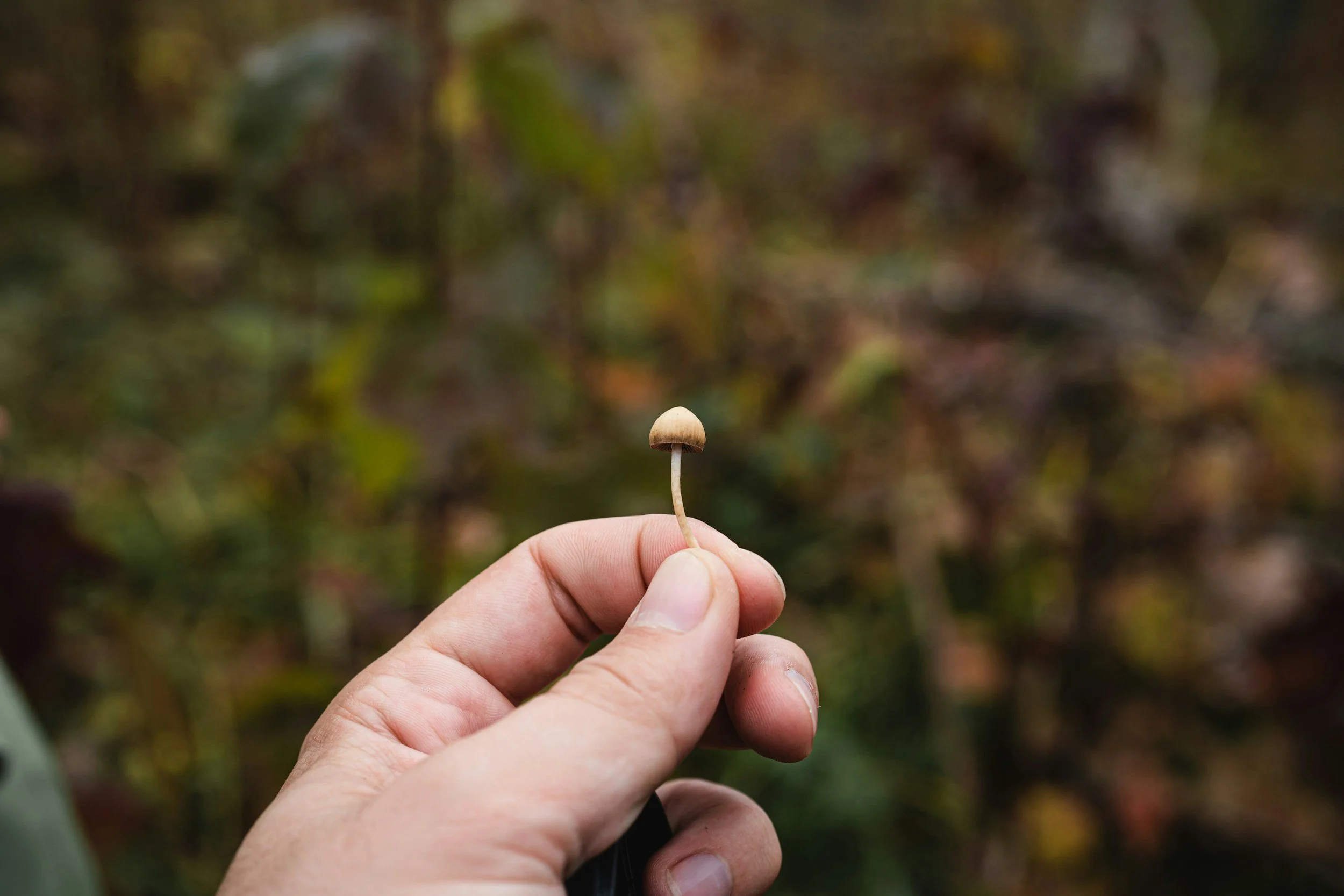
How to prepare: six steps
1. Get clear on why you're doing this
You don't need a perfect intention, but you do need an honest one. Ask yourself what's drawing you to this now, and what you hope will be different afterward. Write it down in plain language. "I want to stop reacting to my partner the way my father reacted to me" will serve you better than "I want healing."
Hold your intention loosely. Psilocybin often shows you what you need rather than what you asked for, and part of preparing is getting comfortable with that.
2. Take medical screening seriously
Psilocybin is physically low-risk for most healthy adults, but it isn't for everyone. Any legitimate program will screen you, and you should be honest in that screening. Bring these up with your doctor:
Medications. Many antidepressants, especially SSRIs and SNRIs, can blunt psilocybin's effects. Lithium combined with psychedelics has been linked to seizures. Never stop a medication on your own; tapering should only happen with your prescriber.
Heart health. Psilocybin can temporarily raise heart rate and blood pressure.
Mental health history. A personal or family history of psychosis or bipolar disorder usually means psilocybin isn't a safe fit.
3. Choose your provider carefully
The person sitting with you matters as much as the substance. Ask any facilitator or program:
What training and license do you hold?
How do you prepare clients, and how many prep sessions do you include?
What happens if I have a difficult experience?
What does your consent process look like, including around touch?
What integration support do you offer afterward?
If someone promises a guaranteed breakthrough, rushes you, or gets vague about consent, keep looking.

4. Prepare your body and nervous system
In the weeks before, the basics matter more than any special protocol: steady sleep, regular meals, movement, and less alcohol. Practice ways to settle yourself, like slow breathing, noticing your feet on the floor, or a body scan. When the experience gets intense, these are the tools you'll reach for, and they work better if you've already practiced them.
5. Clear space in your life
Busy people often try to fit this into a packed week. Don't. Block the day of the session and at least one day after with nothing important on the calendar. Let the people close to you know what you're doing, and arrange a ride home if your program doesn't provide one.
6. Plan for integration before you go
Integration is the work of turning what you experienced into real change in your life. Decide ahead of time who you'll talk to afterward, how you'll capture what comes up, like journaling, voice notes, or drawing, and when you'll check in with a coach or therapist. The insights can fade fast without a plan.

What to expect on the day and after
A psilocybin session usually lasts about four to six hours, and you'll want the whole day. Most programs have you rest in a comfortable space with an eye mask and music while a facilitator stays with you.
The experience can move through many states: beauty, grief, confusion, boredom, joy, fear. A difficult moment doesn't mean something is going wrong. One of the most useful things you can bring in is a simple agreement with yourself: if something hard comes up, breathe, stay curious, and let it move through.
In the days after, it's common to feel open, tender, energized, or tired. Go easy on yourself. Hold off on big life decisions for a few weeks; let the insights settle before you act on them. This is where integration begins, and where much of the lasting change actually happens.
You don't have to prepare alone
Preparation is where I spend much of my time with clients: getting clear on intentions, building nervous system tools, thinking through providers and logistics, and making a plan for afterward. Whether you're heading to Oregon, enrolling in a trial, or just starting to explore, having a grounded guide on your side can make the difference between an intense day and a lasting change.
If you'd like support, reach out today.
Sign up for our newsletter for occasional reflections, events, and offerings from Brooklyn Balance. No spam — just thoughtful updates.
Josh Jupiter is a psychedelic integration coach and founder of Brooklyn Balance, a wellness practice in Brooklyn, New York. This article is for educational and informational purposes only and does not constitute medical or legal advice. For guidance on any of the therapeutic options discussed, please consult a qualified healthcare provider. For information on clinical trials, visit ClinicalTrials.gov.
Ready to go deeper? Reach out to Josh to learn about one-on-one integration coaching, group programs, and upcoming workshops at Brooklyn Balance.