
Your Brain Isn't Broken — It's Been Waiting for the Right Conditions
I want to be honest with you about something.
Most of the people I work with as a psychedelic integration coach don't come to me primarily because of depression or trauma, though those often come up. They come to me because, somewhere underneath the noise of their daily life, they sense that their mind isn't working the way it used to. They feel it in the fog. In the way a word sits just out of reach. In how much harder it is to focus now than it was ten years ago.
And the first thing I tell them is: that feeling is real. And it matters. And it's not too late.
I've spent years sitting with people in some of the most vulnerable mental and emotional states a human being can occupy. What I keep coming back to, both in my practice and in my own life, is that the brain is not a fixed thing. It is not quietly waiting to fail you. It is an organ of extraordinary resilience and adaptability, and it responds rapidly, measurably, to what you give it.
Recently I went deep into an episode of the Mel Robbins Podcast where she sat down with two of the world's leading Alzheimer's neurologists: Dr. Aisha Shirzai and Dr. Dean Shirzai. I couldn't stop listening. Because everything they were saying about the brain, the plasticity, the neurochemistry, the way lifestyle rewires your cognitive future, maps almost perfectly onto what I witness in my work with psilocybin and integration.
I want to share what I took from that episode, and then I want to tell you why I think psilocybin is the piece that most brain health conversations are still missing.
What Nobody Told You About Dementia
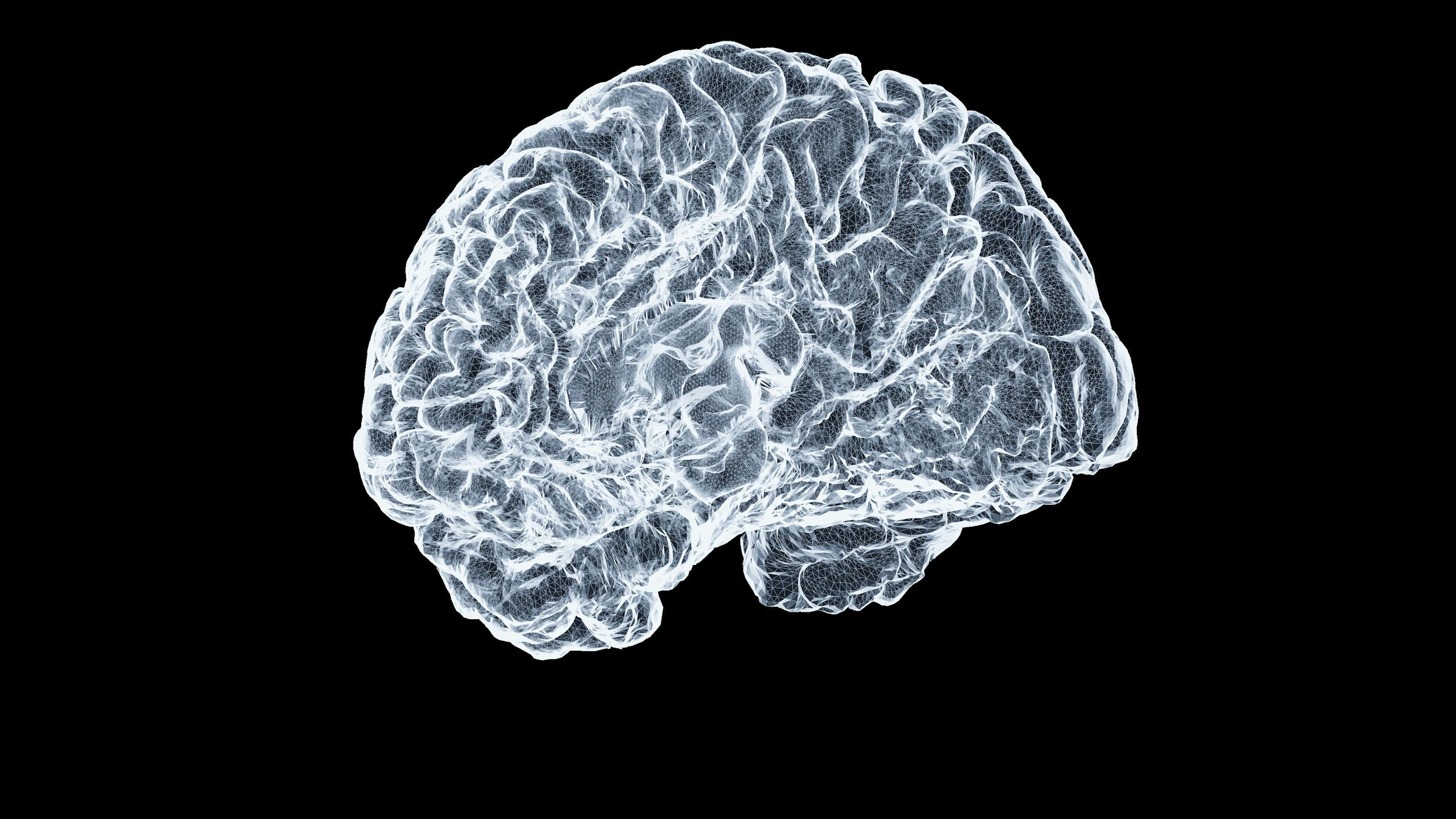
Here's the thing that stopped me cold while listening: dementia doesn't begin when you get the diagnosis.
According to the Shirzais' research, the pathological changes associated with Alzheimer's, the accumulation of amyloid plaques and tau tangles, the inflammation, the shrinkage, can begin silently 20 years or more before any symptom appears.
The brain has no pain receptors. You can't feel the damage happening. And because the brain is so adaptive, it compensates and compensates until, eventually, it can't.
When I heard that, I thought: this is exactly what I see in the psychedelic work. People come to me having lived with depression, anxiety, or dissociation for years, sometimes decades, before anything became "diagnosable." The nervous system absorbs and adapts until the load becomes too great. The parallels are striking.
The good news, and there is so much good news here, is that the same neuroplasticity that allows damage to accumulate quietly is also what allows healing to happen at any age. The Shirzais' research shows that lifestyle interventions alone can reduce Alzheimer's risk by up to 60% when practiced consistently. That's not a drug. That's not a procedure. That's the way you live your Tuesdays.
The Five Things That Actually Matter (The NEURO Framework)
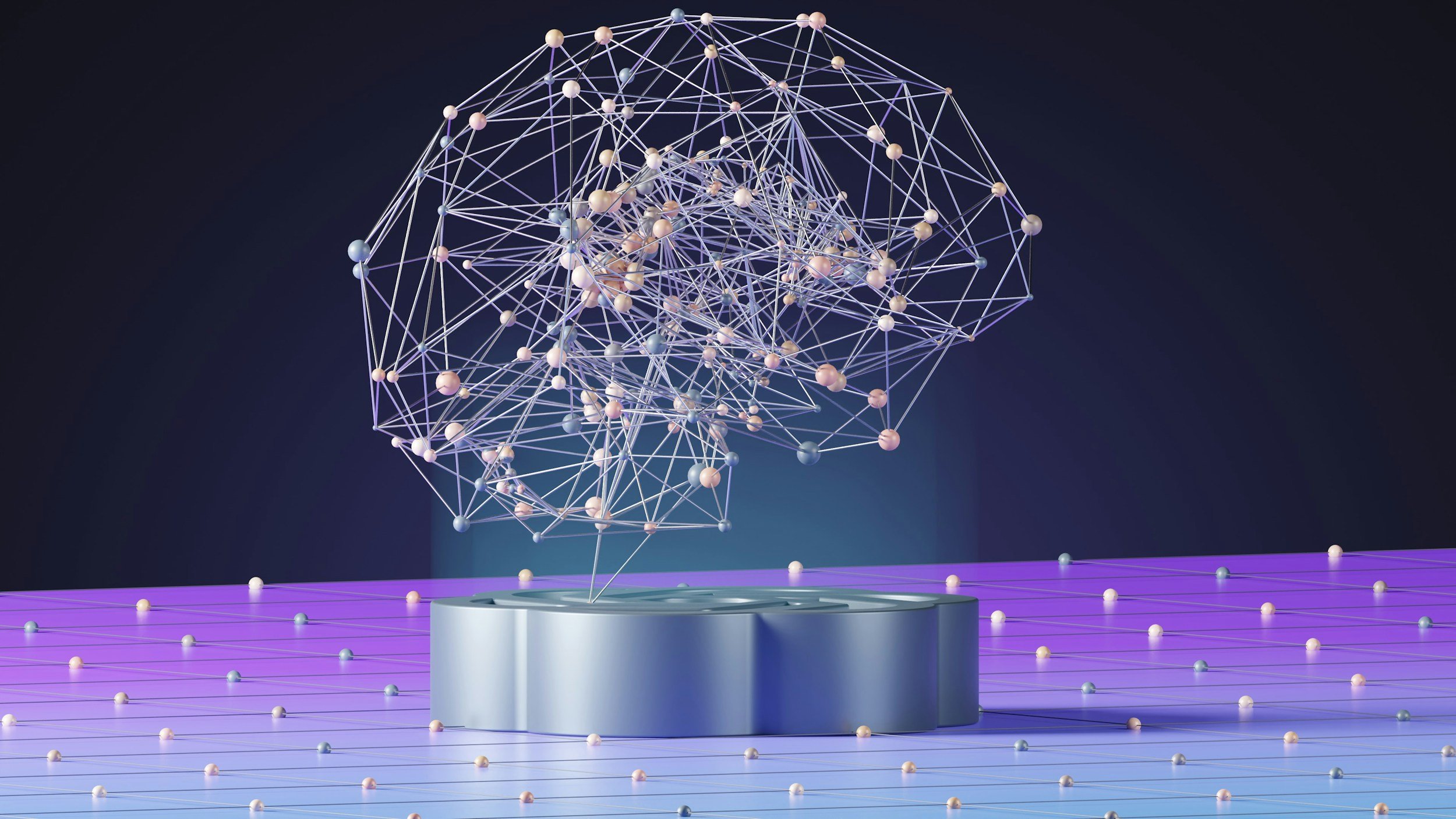
The Shirzais built their clinical recommendations around five pillars they call NEURO, and I'm going to walk you through each one. Not just as a list, but because I want you to feel why they matter, the way I felt it listening.
N — Nutrition: Your Brain Is the Most Expensive Organ in Your Body
It consumes 25% of your body's total energy. It is, counterintuitively, the most vascular organ in the body, even more than the heart. This means that everything you eat affects your brain more than it affects anything else.
I'll be real: I'm not a nutritionist, and I'm not going to tell you to overhaul your entire diet overnight. But there's one finding from the Shirzais that I share with almost every client now:
People who follow a plant-forward dietary pattern, what researchers call the MIND diet, reduce their risk of Alzheimer's by 53%. And people who add just one serving of leafy greens per day had brains that functioned 11 years younger on neuroimaging.
Not a supplement. Not a biohack. Spinach.
When I think about this in the context of integration work, it makes complete sense. One of the things I help clients navigate after a psilocybin experience is how to metabolize the shifts they've had, emotionally, spiritually, cognitively. The baseline condition of the brain matters enormously for how well that integration can happen. You can have the most profound experience of your life, but if you're running on inflammation, glucose dysregulation, and nutritional depletion, your nervous system doesn't have the raw materials to wire in the change.
Feed the brain you want to have. Start with greens, legumes, walnuts, blueberries, whole grains. That's the foundation.

E — Exercise: Your Legs Are Literally Pumping Blood to Your Brain
This one shifted something for me personally.
I knew exercise was important. But I didn't know that leg strength specifically is one of the most powerful protective factors against dementia. Dr. Dean Shirzai put it plainly in the episode: your legs, not your heart, are the primary pump moving blood to your brain. Strong legs mean better cerebral blood flow. Better blood flow means better oxygenation, better nutrient delivery, and better clearance of the metabolic waste that, left to accumulate, becomes the substrate of cognitive decline.
A twin study, using identical twins so genetics are off the table, found that participants with mild cognitive impairment who did leg strengthening exercises (squats, lunges, leg press) reduced their chance of Alzheimer's progression by 47% compared to those who only stretched. In six months.
A 25-minute brisk walk five days a week reduces Alzheimer's risk by 40%, according to a Harvard study the Shirzais cited.
Here's what I tell my clients who feel overwhelmed by this: you don't need a gym. You don't need a program. Try mini-squats. Not 90 degrees, just enough to engage the legs. Ten reps. That's a deposit in the brain bank. One brick. Laid daily, bricks become walls, walls become cathedrals.
Exercise also triggers the release of BDNF, Brain-Derived Neurotrophic Factor, a compound that literally grows new neural connections. I'll come back to this when we talk about psilocybin, because the overlap is something I find genuinely exciting.

U — Unwind: Stress Is Physically Shrinking the Memory Center of Your Brain
I work with stress every single day in my practice. I know what it looks like, what it sounds like, what it costs people. But even I was struck by how direct the neurological mechanism is.
When you're under chronic stress, your body floods your system with cortisol. And that cortisol, sustained over time, causes the hippocampus to literally shrink. The hippocampus is the brain's primary memory encoding center. It is the part of the brain you most need to preserve if you want to stay cognitively intact, and chronic stress is measurably, documentably eroding it.
There's also a data point from the Shirzais' book that I think every person in a caregiving role needs to hear: partners of people with dementia have a 600% greater risk of developing the disease themselves. Not because dementia is contagious. Because caregiving is one of the most sustained forms of chronic stress a human being can experience, and it takes a neurological toll that is invisible, unfelt, and devastating.
In my integration work, one of the most common things I hear from clients after a psilocybin experience is that they finally understand, at a felt level, how much they've been running on cortisol. How long they've been in fight-or-flight. How much of their cognitive and creative capacity has been offline because survival mode has been consuming it.
The goal isn't to eliminate stress. The brain needs challenge. But it needs purposeful challenge, stress with direction, with meaning, with an endpoint. My suggestion: write it down. Two columns. What's draining me. What's fueling me. Your brain was never designed to hold all of that in working memory simultaneously. Getting it on paper is an act of neurological self-respect.

R — Restorative Sleep: The Nightly Cleanse Your Brain Can't Do Without You
Every night while you sleep, a system called the glymphatic system activates, but only during deep sleep, and pumps cerebrospinal fluid through your brain tissue, washing out metabolic waste. Including the amyloid beta protein and tau tangles associated with Alzheimer's.
Your brain has janitor cells called microglia that activate during deep sleep, clearing damaged tissue and cellular debris. Simultaneously, your hippocampus consolidates the day's experiences into long-term memory, organizing everything from short-term notes into permanent files.
When sleep is poor, whether from stress, sleep apnea, inconsistent schedules, or excessive screens, this cleansing cycle gets interrupted. Night after night, week after week, the waste accumulates. The memories don't consolidate. The cognitive reserve depletes.
The most validated first step, according to sleep scientists the Shirzais cited, is the simplest: wake up at the same time every single day, including weekends. Your body will recalibrate its sleep pressure accordingly.
I also tell people: a morning walk does more than you know. It resets your circadian rhythm via sunlight exposure, accelerates your wakefulness so you sleep more deeply that night, and as we just covered, builds the leg strength that protects your brain. One walk. Three mechanisms. Free.

Make it stand out
O — Optimize: The Brain You Build by Refusing to Coast
The Nun Study is one of the most remarkable pieces of research I've ever come across.
Researchers autopsied the brains of hundreds of nuns who had donated their bodies to science, comparing pathology to cognitive function during their lives. What they found was counterintuitive: some nuns with significant brain pathology, amyloid plaques, atrophy, vascular damage, had shown no signs of dementia during their lives. Meanwhile, other nuns with minimal pathology had already developed Alzheimer's.
The differentiating factor? Idea density. The nuns who remained cognitively intact had written in their diaries with significantly richer vocabulary, more complex sentence structures, more nuanced thinking. They had built what researchers call cognitive reserve, a surplus of neural connections that allowed their brains to sustain damage without losing function.
This is the concept I come back to constantly in my work. Integration after a psilocybin experience is essentially an exercise in building cognitive reserve. You're creating new frameworks, new associations, new ways of understanding your own mind. You're challenging old narratives and building new ones. That is, neurologically speaking, exactly what the "optimize" pillar calls for.
Learning a musical instrument. Dancing. Reading and then rewriting what you read in your own words. Doing things that combine complexity, purpose, and challenge. Any of these counts.
And here's a small thing I love: if you walk on a treadmill while listening to something that genuinely makes you think, studies show you learn and retain it better than if you do either activity alone. BDNF, the neural growth factor released by movement, is being produced at the exact moment your brain is trying to wire in new information. The two activities potentiate each other
Here's Where It Gets Personal: Why I Think Psilocybin Belongs in This Conversation
Everything I've described above, the NEURO framework, the lifestyle habits, the cognitive reserve research, this is the foundation. This is what the cathedral is built from. And I believe in it completely.
But I also know, from my work as a psychedelic integration coach and from my own experience, that sometimes the hardest part of lasting change isn't knowing what to do. It's that the brain itself has become so entrenched in its patterns, so defended, so habitual, so wired to the familiar, that lifestyle intervention alone runs into a wall.
That wall is not a character flaw. It is a neurological phenomenon. And psilocybin, emerging from some of the most rigorous clinical research in modern psychiatry, appears to address it directly.
Here's what the science is showing:
Psilocybin triggers neuroplasticity at the cellular level. A 2021 study published in Neuron found that psilocybin caused a rapid and sustained increase in dendritic spine density, the tiny protrusions on neurons where synaptic connections form. A single dose produced a 10% increase in synaptic density that persisted for over a month. The brain, after psilocybin, is more capable of forming new connections. It is more teachable.
Psilocybin quiets the Default Mode Network. The DMN is the brain's self-referential circuit, the one that fires when you're ruminating, spinning on the same thoughts, replaying the same fears. In depression, anxiety, and trauma, the DMN becomes rigid and overactive, locking people into neurological loops that are incredibly difficult to exit through willpower alone. Psilocybin temporarily quiets that network, creating what researchers at Imperial College London call a state of "unconstrained cognition," the brain forming connections across regions that rarely speak to one another. After the experience, many people describe something I recognize immediately: a sense of flexibility, a feeling that the grooves they've been stuck in have loosened, a new openness to doing things differently. That window is exactly when integration work matters most.
Psilocybin stimulates BDNF production. The same growth factor that exercise releases, the one that grows new neural connections and protects against cognitive decline, also appears to be upregulated by psilocybin through its action on serotonin 2A receptors. This is not a coincidence to me. It's the brain's healing machinery being activated through a different door.
Psilocybin is demonstrating remarkable clinical outcomes for depression. Two landmark trials, one at Johns Hopkins and one at NYU, found that two supervised psilocybin sessions produced rapid, sustained relief from major depression in 54 to 71% of participants, with effects lasting up to a year. This matters directly for brain health, because chronic depression is itself a documented risk factor for cognitive decline. When I help someone move out of a sustained depressive state, I'm not just improving their quality of life. I'm potentially altering their cognitive trajectory decades from now.
Psilocybin has anti-inflammatory properties. Neuroinflammation is one of the four core mechanisms through which the brain deteriorates toward dementia. Research published in the Journal of Psychopharmacology found measurable reductions in inflammatory markers following psilocybin, complementing exactly the dietary anti-inflammatory strategy the Shirzais recommend.
What Integration Actually Looks Like
When I work with someone through a psilocybin experience, I'm thinking about all of this. Not in an abstract, academic way, but in a very practical, embodied way.
Before the experience: we work on creating the conditions. Sleep. Nutrition. Stress levels. Intention. The brain you bring to the experience is the brain that processes it.
During the experience: something gets loosened. Patterns that have been calcified for years, ways of seeing yourself, your relationships, your possibilities, become fluid again. The Default Mode Network quiets. The brain begins to speak to itself across regions that have been strangers.
After the experience, this is where my work really lives. We take the fluidity that the experience opened and we wire it into daily life. We use it to build the habits that create cognitive reserve: the walks, the greens, the sleep, the purpose, the learning. Integration is not passive. It is the deliberate construction of a new brain, using the openness that the experience created.
One brick at a time. Every day.
A Note on Where We Are Legally and Why That Matters
I want to be direct about this because I believe in informed decision-making. Psilocybin therapy is currently available through clinical trials and approved therapeutic contexts in certain jurisdictions. Oregon and Colorado have both established legal frameworks for supervised psilocybin services. Research is advancing rapidly, and the FDA has granted it Breakthrough Therapy designation for depression.
I work within legal and ethical frameworks, and I always encourage the people I work with to do the same. If you're curious about whether psilocybin-assisted work might be right for you, I'm happy to have that conversation honestly, including what it is, what it isn't, and what it requires.
What I won't do is oversell it. Psilocybin is not a cure. It is not a shortcut. It is a catalyst, and like any catalyst, its value depends entirely on what you do with the reaction it starts.

Start Here, This Week
If you've read this far, I don't want you to close this tab feeling overwhelmed. I want you to do one thing.
Pick the pillar that feels most neglected in your life right now, Nutrition, Exercise, Unwind, Restorative Sleep, or Optimize, and make one small commitment:
Throw a fistful of spinach into whatever you're having for dinner tonight.
Take a 10-minute walk tomorrow morning before you look at your phone.
Write down what's stressing you, all of it, on paper, out of your head.
Set a wake-up time and honor it this weekend.
Call someone you love and have a real conversation.
Your brain is not judging you for where you've been. It's not keeping score. It's asking, right now, for whatever you can give it, and it will respond.
I've seen it. I've lived it. I believe in it.
And if you want to explore what deeper work looks like, the kind that creates the conditions for lasting change from the inside out, I'm here. That's what Brooklyn Balance is for.
Josh Jupiter is a psychedelic integration coach and the founder of Brooklyn Balance, a wellness community dedicated to whole-brain health, conscious living, and the responsible integration of emerging therapeutic modalities. This article is for educational purposes only and does not constitute medical advice. For guidance on psilocybin therapy, please consult a qualified healthcare provider and review the legal framework in your jurisdiction.
Ready to go deeper? Reach out to Josh to learn about one-on-one integration coaching, group programs, and upcoming workshops at Brooklyn Balance.