
If you've spent time in Berlin, Amsterdam or London nightlife lately, or in certain corners of Brooklyn's, you've probably heard of 3-MMC. Maybe someone described it as "like MDMA and coke at the same time," or offered it as the cheaper option. Its older cousin, 4-MMC (mephedrone, "meow meow" or "M-Cat"), had its moment in the U.K. around 2009 and never fully went away.
This isn't a lecture, and it isn't an endorsement. It's the information you deserve before making a decision, or before helping a friend who already has.
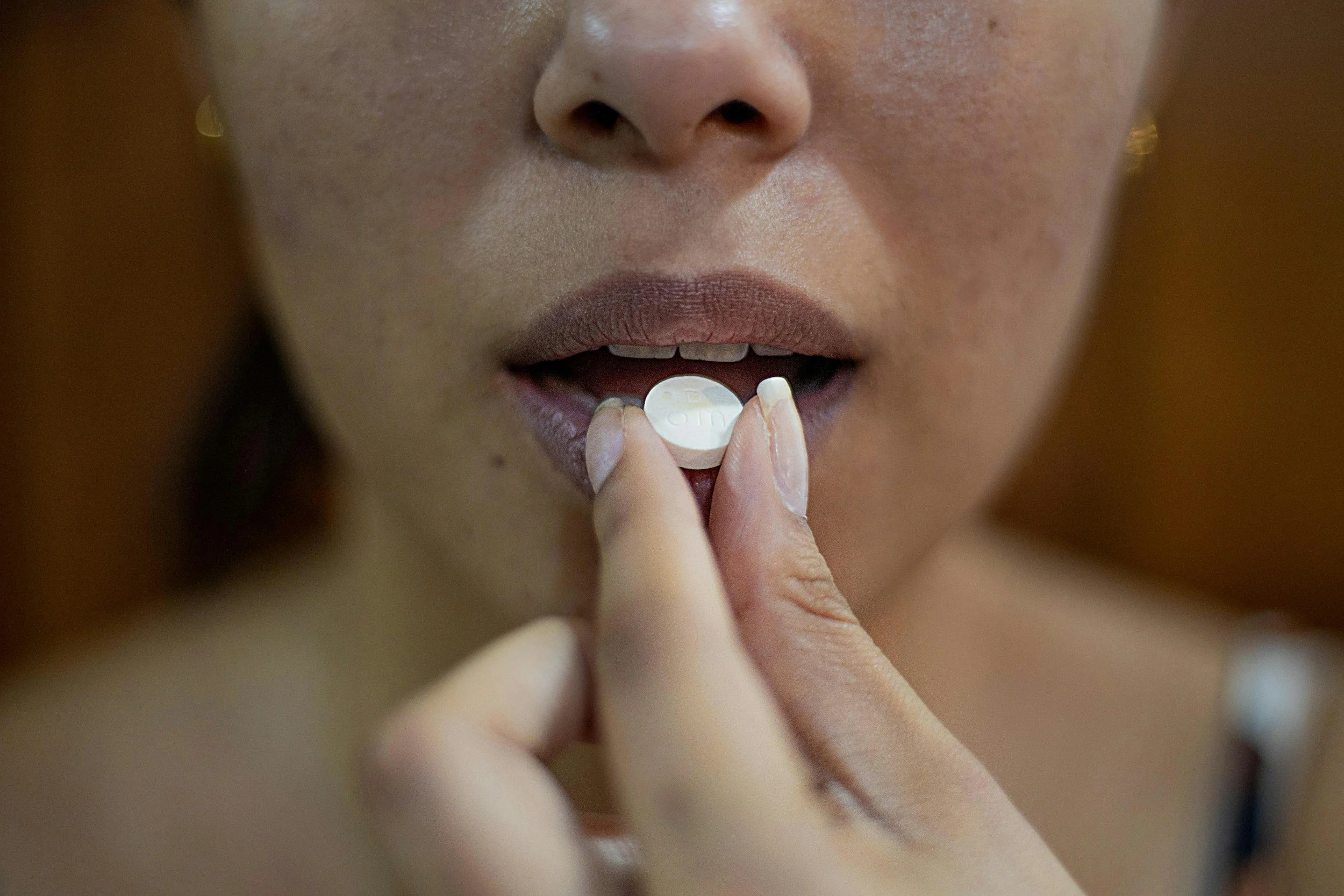
What they are
3-MMC and 4-MMC are synthetic cathinones, lab-made stimulants chemically related to cathinone, the active compound in the khat plant. They're close cousins of each other: 3-MMC first appeared on the market around 2012 as a replacement after mephedrone was banned in many countries.
People describe the effects as a mix of stimulant energy and MDMA-like warmth: euphoria, chattiness, feeling connected. The difference that matters most is timing. The effects come on fast and fade fast, and that sets up the central risk of both drugs.
Why they're spreading
The clearest picture comes from the Netherlands, where 3-MMC was sold openly as a "research chemical" until it was banned in 2021. A 2025 review found that among young Dutch nightlife-goers, past-year 3-MMC use nearly quadrupled in two years, making it the third most-used substance after cannabis and MDMA. Despite the ban, the number of people seeking treatment for problematic 3-MMC use rose tenfold, from 33 in 2021 to 330 in 2023 (International Journal of Drug Policy, 2025). Dutch poison center reports of 3-MMC overdoses nearly doubled in 2023 (NL Times).
It's cheap, it's easy to find, and it has a reputation as a "lighter" alternative. That reputation is part of the problem.
Legal status in the U.S.
Both are Schedule I controlled substances in the United States. 3-MMC has long been treated as a positional isomer of mephedrone, and the DEA gave it its own specific Schedule I listing in December 2023 (Federal Register). Possession carries real legal risk.
What the research says, and doesn't
Honest answer: not much. These drugs have been studied far less than MDMA or cocaine, and most of what we know comes from poison centers, emergency departments and user reports. The Dutch review concluded that 3-MMC may be less toxic than some other illicit drugs, but that its short duration may drive more craving, more frequent redosing and more dependence than 4-MMC. That last part is what I want you to remember.
The real danger: the redosing loop
Because the high is short and the drop-off is sharp, many people feel a strong pull to take more as soon as it fades. One bump becomes five. A night becomes a weekend. Harm reduction groups that test drugs at festivals describe this compulsive redosing as one of mephedrone's defining risks, and warn it can lead to restlessness, insomnia and eventually psychosis (KnowYourStuffNZ).
That loop is what turns a "lighter" drug into a heavier problem.
Other risks to know
Your heart. Like other stimulants, both raise heart rate and blood pressure. Dutch health authorities cited heart rhythm problems, high blood pressure and overheating when they banned 3-MMC (NL Times). This matters more as you get older, or if you have any heart condition.
Overheating and dehydration, especially when dancing for hours in a hot room.
Mental health. Anxiety, paranoia and, with heavy or prolonged use, psychosis. The comedown can bring low mood, irritability and days of poor sleep.
Dependence. The craving can build quickly, and many people find it harder to control than they expected.
You may not be getting what you think. Mephedrone is often mis-sold as MDMA, and powders labeled 3-MMC can contain other cathinones entirely.
Dangerous combinations
Antidepressants (SSRIs, SNRIs) and MAOIs: risk of serotonin syndrome, which can be fatal. This includes the MAOI in ayahuasca.
Other stimulants: cocaine, amphetamines, ADHD medication or large amounts of caffeine pile strain on your heart.
Alcohol: stimulants mask how drunk you are, so people drink more than they realize.
GHB/GBL: a common pairing in chemsex settings and a dangerous one, with risk of losing consciousness and overdose.

If you're going to use: harm reduction basics
The safest choice is not to use. If you do, these steps lower the risk:
Test it. Reagent kits and fentanyl test strips help; professional drug checking tells you more. In NYC, the Health Department offers drug checking at several syringe service programs and free test strips through community groups (NYC Health).
Decide your limit before you start, and leave the rest at home. The redosing urge is strongest in the moment; make the decision while you're sober.
Don't mix, especially with other stimulants, alcohol, GHB or serotonergic medications.
Don't use alone, and make sure someone with you knows what you took.
Hydrate in moderation, take breaks from dancing, and cool down.
Use your own straw, never shared, never a bill.
Give yourself long breaks between uses. If the breaks keep getting shorter, take that seriously.
For detailed, substance-specific harm reduction information, see DanceSafe, TripSit and PsychonautWiki.
When to get help right away
Call 911 if someone has:
Chest pain, a racing or irregular heartbeat
Very high body temperature, or hot, dry skin
Severe agitation, confusion, paranoia or hallucinations
A seizure, or is hard to wake
New York's 911 Good Samaritan law offers protection from certain drug possession charges for people who call for help during an overdose. Call. Stay with them.
If your use is changing
Maybe you've noticed the weekend stretching into Monday. Maybe the comedowns are heavier, or you're using to get through things rather than to celebrate. That's worth paying attention to, without shame.
I work with people who want to look honestly at their relationship with substances, whether that means cutting back, stopping, or understanding what they've actually been looking for on those long nights. I'm not here to lecture you or to cheer you on. I'm here to help you see clearly and choose on purpose. I don't provide or source substances, and if you need medical or addiction care, I'll help you find it.
Sessions are in person in Brooklyn or online anywhere in New York. Reach out through the contact form.
This post is for harm reduction and education, not medical advice. In an emergency, call 911. For confidential help with substance use, call the SAMHSA National Helpline at 1-800-662-4357. In a mental health crisis, call or text 988.
Interested in transforming your life? Reach out today.
Sign up for our newsletter for occasional reflections, events, and offerings from Brooklyn Balance. No spam — just thoughtful updates.
Josh Jupiter is a psychedelic integration coach and founder of Brooklyn Balance, a wellness practice in Brooklyn, New York. This article is for educational and informational purposes only and does not constitute medical or legal advice. For guidance on any of the therapeutic options discussed, please consult a qualified healthcare provider. For information on clinical trials, visit ClinicalTrials.gov.
Ready to go deeper? Reach out to Josh to learn about one-on-one integration coaching, group programs, and upcoming workshops at Brooklyn Balance.